
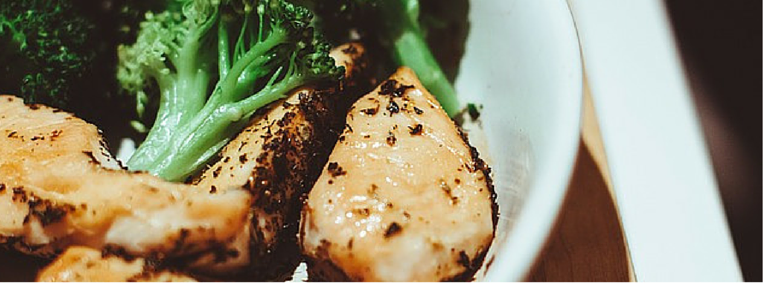
You may have been hearing a lot about the LCHF (low carbohydrate, high fat) diet lately, but what exactly does LCHF entail? The USDA Dietary Guidelines for Americans recommends you get 45% to 65% of your total daily calories from carbohydrates, 10% to 35% from protein, and 20% to 35% from fat, with no more than 10% from saturated fat. A LCHF balance shifts that ratio to decrease calories from carbohydrates, and increase calories from fat. The amount of protein you consume can stay the same or increase. The exact amount of carbohydrate consumption associated with benefits varies from person to person. Everyone’s body chemistry is different: Some people do well and thrive on as much as 150 grams a day of net carbs; others may need to reduce their net carbs to 50 grams a day in order to see the most benefit.
The Basics
Decrease your intake of carbs by eliminating sugars, processed foods, grains (even whole grains), starches, legumes, and limiting most fruits. Increase your fat intake by adding full-fat dairy products, Omega-3 and Omega 6 oils (such as flax oil and olive oil), add saturated fats in the form of meats, butter, and coconut oil.
Advantages of the LCHF Diet
Potential health benefits of the diet include:
• Weight loss
• Decreased appetite
• Increased fat burning
• Improved lipid profile
• Stable, appropriate blood sugar levels
Is There Evidence That a LCHF Diet Is Healthier?
While the LCHF diet has been enjoying recent popularity with the upsurge of diets such as the Atkins and Paleo diets, it is far from a new idea, and its origins go all the way back to the 1860s. Recent studies have shown that a LCHF diet can help you lose and maintain your weight, keep your blood sugar under control, and improve your lipid profile. Many people have been able to lower their diabetes and cholesterol medications after adopting the LCHF diet.
The End Results
The LCHF diet has many benefits: It can help you lose and maintain weight, improve your blood sugar, and improve your lipid profile—resulting in a lower risk for developing cardiovascular disease. Stay tuned for upcoming articles about how to start a LCHF diet, practical tips, meal plans, and recipes.
Recent Comments