
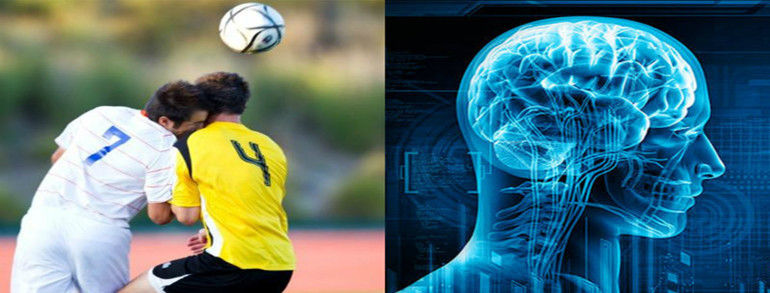
A concussion is a type of traumatic brain injury and the severity varies greatly. This is a very common injury in those who play football/soccer and other contact sports. The brain is injured, resulting in a variety of symptoms. Most people fully recover from this injury because they are usually mild, but everyone playing contact sports needs to be aware of what a concussion is and how it is treated.
Looking at the Anatomy
The human brain is like a really solid jelly in terms of consistency and this is protected by the hard skull. There is very little room in the skull for the brain, so when a head injury occurs, the brain can hit the skull, compressing or stretching the brain. This is chaotic for the brain and the brain needs more fuel than usual during this time, but it is not able to get it. This can lead to the cells in the brain not working as they normally do and some may die.
Signs and Symptoms of a Concussion
The symptoms of a concussion may not occur immediately after the injury, especially in mild cases. However, when someone experiences a head injury, they should be on the lookout for the symptoms and seek medical care. Common signs and symptoms may include:
- Pressure in the head or headache
- Confusion or feeling foggy
- “Seeing stars” or dizziness
- Nausea and vomiting
- Delayed response to questions
- Losing consciousness temporarily
- Not remembering the injury
- Ringing in the ears
- Slurred speech
- Fatigue
- Feeling dazed
Treatment Options for a Concussion

On the field, the patient must immediately be pulled off the field and allowed to rest. Prevent further swelling by icing the injured area and continuing to assess for consciousness and symptoms.
Immediate treatment depends on the severity of the concussion. If someone is brought to the hospital unconscious, healthcare workers will maintain a patent airway and make sure there is no swelling on the brain. The biggest aspect of acute concussion care is working to prevent complications, such as breathing cessation.
The most important part of a treatment plan is rest both physical and mental and this should start immediately after the injury and continue until all signs and symptoms are gone. Athletes must avoid the sport and any other activities that have a risk of head injuries. Things that require concentration must also be avoided, such as reading, video games, texting and school work. Taking some time off work/school and avoiding general exertion are also important.
Over-the-counter pain medications are generally fine, but talk to your doctor first to ensure safety. Most doctors recommend patients only take acetaminophen because this medication does not thin the blood. Aspirin and nonsteroidal anti-inflammatory drugs, such as naproxen and ibuprofen, may increase bruising and they may increase the risk of bleeding so it is best to avoid them unless a doctor says it is okay.
We continue to learn more and more everyday about concussions including more about the possible long term affects concussions may have on both the young as well as adult brain. Scientists are working to identify markers in the brain that may indicate when a person has sustained a concussion and this may be available in the near future as an added tool for physicians and trainers. Work is also being carried out trying to identify genes that may predispose or identify people more likely to suffer from a concussion.
Recent Comments