

Hamstring injuries are common in those who play soccer because the sport requires fast breaks and lots of sprinting. The hamstring is located in the back of the thigh and most injuries are the result of over-stretching the muscles. There are three hamstring muscles, including the Semitendinosus, biceps femoris and semimembranosus. Each muscle begins at the ischial tuberosity (think of your sit bone) at the lower end of the pelvis and they end at the lower leg, after crossing the knee joint. These muscles are responsible for bending the knee and extending the leg straight back.
Symptoms of a Hamstring Injury
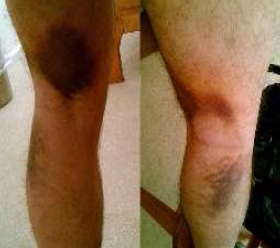
Ultimately, the symptoms vary based on the severity of the injury, but sudden, sharp pain is very common. This pain is generally bad enough to make you stop in your tracks and remove all weight from the affected leg. Other common symptoms include:
- Discoloration or swelling at the site of the hamstring
- Swelling
- Weakness that can continue for several weeks
Treatment for a Hamstring Injury
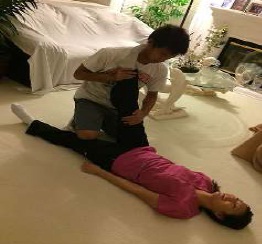
Immediately following the injury, have your teammates help you off the field and onto the sidelines. You should immediately apply a compression bandage to the affected hamstring, elevate your leg, ice the area and not put any weight on it while waiting to be evaluated by a doctor or trainer.
If your injury is minor, you will continue basic first aid treatment, but your doctor or trainer may also want to immobilize the area with a splint or compression wrap. This puts the muscle into a neutral position to encourage healing. While you are in a splint, you may also have to use crutches to get around to avoid aggravating the injured hamstring. Once your swelling and pain are significantly reduced, your doctor may recommend physical therapy and you can usually do this at home or with a physical therapist. You will perform specific exercises to restore range of motion and strength in your hamstring which should focus on eccentric work. Your doctor may also recommend a flexibility program after you have healed to help prevent further injury in the future. When your hamstring muscle is tight, there is a greater risk of injury, so improving flexibility helps to prevent this.
If the muscle tears completely or if the tendon rips apart from the muscle, surgery may be necessary to repair the damage. While you are recovering from surgery, you will be given crutches because it is important to not put weight on your injured hamstring until your doctor says you can. The hamstring will also likely be either immobilized or wrapped in a compression bandage during this time. It can take three to six months to heal from this injury and this is in addition to several weeks of recover before you can start rehabilitation. The rehabilitation process gradually improves the strength, range of motion and flexibility of your hamstring muscle. It is important to follow your program exactly or else you risk slowed healing time, incomplete healing or a re-injury of the muscle. You will begin your program with a physical therapist and will also likely need to perform some exercises at home.
Recent Comments